
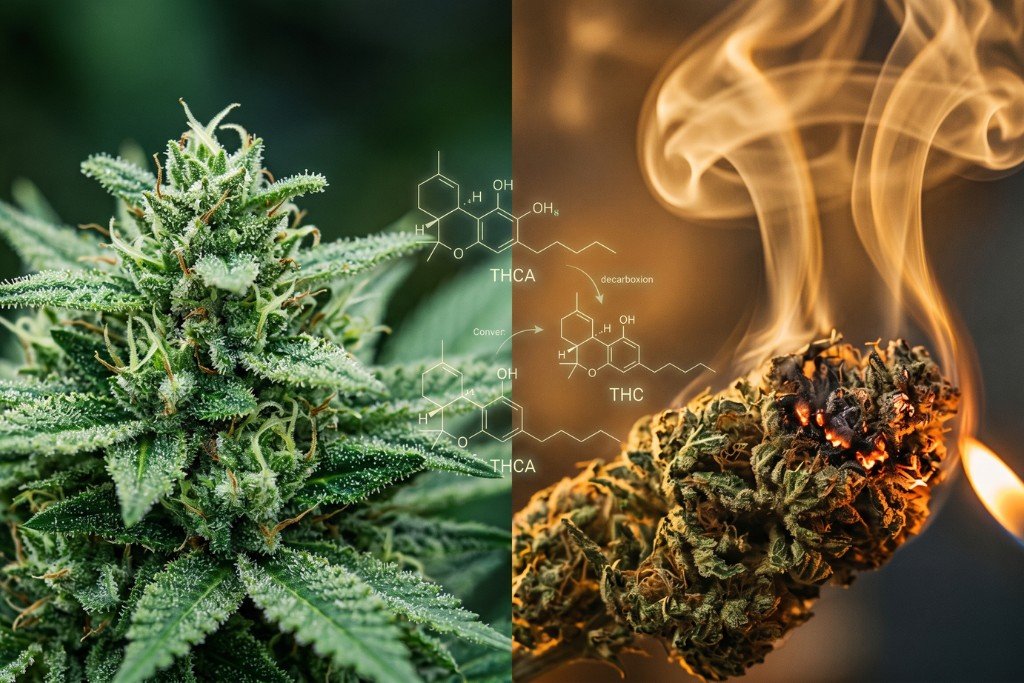
Let’s clear up a common misunderstanding right away. The battle of THC vs THCA. The cannabis plant does not naturally produce the compound that gets you high. Instead, it grows a raw precursor known as THCA. Heat eventually transforms this precursor into the active compound you know and love, Delta-9 THC. This fundamental process is why eating raw cannabis buds won’t result in the same experience as smoking them.
When exploring marijuana, understanding THC vs THCA changes everything for the modern consumer. You want to know exactly what you are smoking or consuming before you spend your hard-earned money. Raw cannabis holds distinct chemical properties from the roasted or heated version. Consequently, the difference shapes your entire consumption experience from the moment of purchase to the peak of your session.
Different cannabinoids offer unique benefits to the user, ranging from therapeutic relief to recreational euphoria. We will guide you through this fascinating molecular transformation step by step. This knowledge empowers your future buying choices and ensures you aren’t surprised by the results. Ultimately, you become a smarter, more confident consumer in an increasingly complex market.
The modern enthusiast demands complete transparency regarding the products they use. Today, we look closely at the science behind the buds to demystify these abbreviations. This guide breaks down the complex biology into simple terms for everyone to understand. You will learn the secrets hidden inside your favorite strains and how to read labels like an industry veteran.
What is THCA? The Raw Precursor Explained
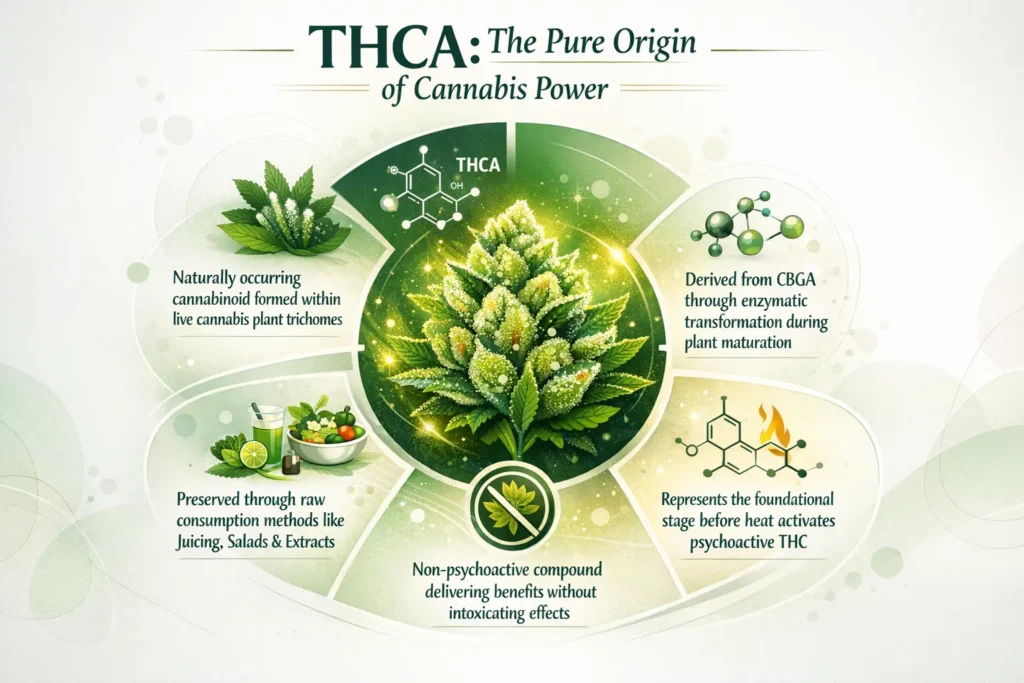
THCA stands for tetrahydrocannabinolic acid. This is the original, acidic state of the compound as it exists in nature. It forms naturally on the live Cannabis sativa plant through a complex biosynthetic process. The journey begins with the “mother cannabinoid,” CBGA, which acts as a foundational building block for most other compounds.
As the plant matures, enzymes convert CBGA into THCA through specific genetic pathways. You will find this acid packed densely inside the frosty trichomes covering the mature buds. In this raw form, it will not get you stoned because the molecule is too large to fit into your brain’s receptors. Therefore, you can consume raw buds and feel absolutely no intoxication whatsoever.
Many medical cannabis patients utilize raw leaves for this exact reason. They want the plant’s potential benefits, such as supporting a healthy immune system, without experiencing a psychoactive high. Enthusiasts consume raw leaves in several creative ways to preserve the acidic structure of the cannabinoids.
- Juicing: Blending fresh fan leaves into morning smoothies for a potent nutrient boost.
- Salads: Tossing raw, cleaned buds with leafy greens and a light vinaigrette.
- Raw Extracts: Using cold-pressed oils to maintain the acid structure without applying heat.
Furthermore, the raw plant contains a wealth of terpenes and flavonoids that contribute to the overall wellness profile. While THCA is non-psychoactive, it is currently being studied by the FDA and other agencies for its potential anti-inflammatory properties. This makes it a popular choice for those seeking the “wellness” side of cannabis without the “high.”
What is THC? The Main Event
Now we look at the active compound that takes center stage in the cannabis world. This is delta-9-tetrahydrocannabinol. Most people simply call it Delta-9 THC or just THC for short. This famous molecule drives the classic cannabis high that has defined the culture for decades.
When comparing THC vs THCA, this is the intoxicating side of the coin. Delta 9 THC interacts perfectly with your human biology because of its unique shape. It binds directly to the CB1 receptors located primarily in your brain and central nervous system. This direct interaction is what causes the shift in perception and mood.
These specific receptors are a crucial part of your endocannabinoid system, which helps regulate everything from sleep to appetite. This binding action triggers the well-known psychoactive effects that many people seek. Consequently, it remains the primary reason for widespread recreational use across the globe today.
The effects vary depending on the specific strain, the terpene profile, and your individual tolerance level. Some people feel energized and creative, while others feel deeply relaxed and sleepy. Understanding this interaction helps you control your sessions more effectively. As a result, you can better predict how a specific product will make you feel before you consume it.
Decarboxylation: The Heat That Makes the Magic Happen
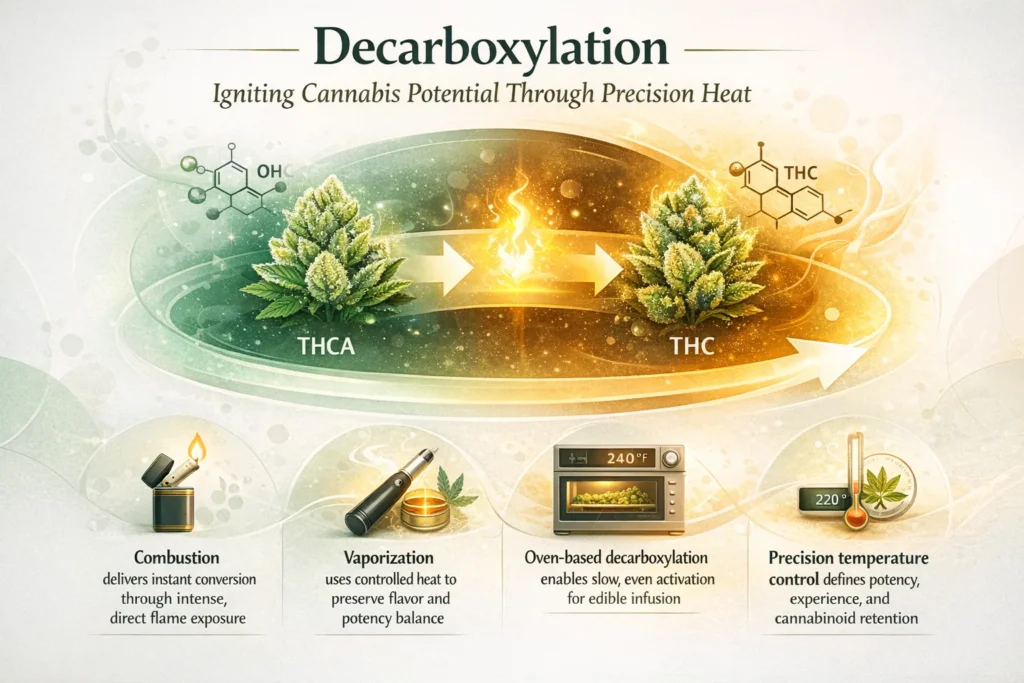
Heat sparks a beautiful and necessary chemical shift within the plant material. We call this essential process decarboxylation. During this process, heat removes a carboxyl group from the raw compound. This physical change drops the “A” from the name and leaves the active, intoxicating THC behind.
Smoking a joint causes instant decarboxylation because the flame provides immediate energy. The lighter does the heavy lifting for you by converting the THCA as you inhale. Similarly, vaping achieves the same result through a slightly different mechanism. When you hit a vape, the internal heated coil activates the compounds without reaching the point of combustion.
A dry herb vaporizer uses precise vaporization temperatures to release cannabinoids. This prevents the formation of smoke while maximizing chemical activation for a cleaner experience. If you prefer edibles, the process changes significantly. The baker must decarb the flower in an oven at a low temperature before infusing it into butter or oil.
- Combustion: Lighters provide instant, high-heat conversion for immediate psychoactive effects.
- Baking: Ovens offer slow, controlled activation, which is crucial for creating effective edibles.
- Vaporizing: Electronic coils heat the material just enough to release active vapor without burning the plant.
If you are looking to shop for high-quality flowers that decarboxylate perfectly, you need to understand these ratios. The quality of the initial THCA determines the eventual strength of the THC. Therefore, starting with premium genetics is always the best strategy for a potent end product.
THC vs THCA in Flower: Reading the Label Like a Pro
Dispensary labels often confuse everyday shoppers who aren’t familiar with laboratory testing. You might buy premium cannabis flower and notice something odd on the printed sticker. The label often shows a high THCA percentage and almost zero active THC. Do not panic; your product is not “weak.”
This is exactly how a fresh, properly cured flower should look before it is lit. To understand thc vs thca in flower, you need to use a simple scientific formula. This is because heat destroys a small amount of the compound’s mass during the chemical conversion. You aren’t getting a 1:1 transfer of potency.
The standard conversion rate during decarboxylation yields about 87.7% active THC according to laboratory standards. You calculate total THC by multiplying the THCA by 0.877 and then adding any existing active THC found in the sample. This simple math gives you the true potency of your flower once it is actually smoked or vaped.
Comparing thca vs thc percentage helps you predict the final intensity of the experience. You always want to know your true THC percentage in flower before lighting up to avoid over-consumption. A 2024 industry report noted that over 60% of consumers now check these specific cannabinoid profiles before making a final purchase.
Expanding the Spectrum: THCA vs THCV and THCP
The cannabis plant offers far more than just two primary compounds to the curious user. Researchers have discovered over a hundred different cannabis cannabinoids within the various strains. Let’s broaden the lens to look at the bigger picture of how these molecules interact.
When looking at THCA vs THCV, the effects differ wildly despite the similar names. THCV is famous for providing a clear, energetic focus and is often nicknamed “diet weed” due to its potential appetite-suppressing qualities. Next, consider the dynamic of THCP vs THCA. THCP binds to human receptors significantly stronger than standard THC.
This intense binding makes THCP incredibly potent, even in very small amounts. You might also hear frequent discussions about Delta-8 THC in the current market. This offers a milder, more relaxed psychoactive experience for the user who finds Delta-9 too intense. Each of these variations serves a different purpose for the consumer.
All these compounds work better when consumed together rather than in isolation. They combine with every aromatic terpene to create what scientists call the “entourage effect.” This natural synergy delivers a richer, more nuanced, and more balanced high. The current market shows a massive 40% increase in demand for these minor cannabinoids as users look for specific effects.
Choosing Your Products: From Edibles to Concentrates
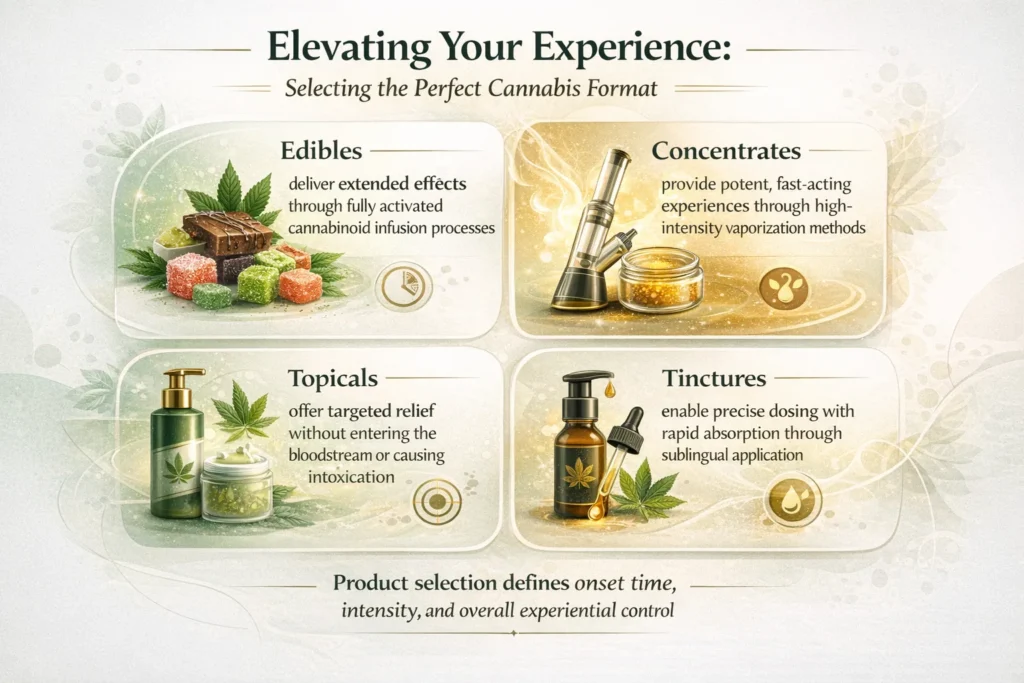
Your chosen consumption method changes the entire chemical dynamic of the cannabinoids. We offer many different cannabis products to suit your specific lifestyle and needs. You must choose the right format for your personal goals, whether they are medicinal or recreational.
Eating a gummy provides a completely different experience than dabbing high-potency wax. The onset time, duration of effects, and metabolic pathway vary across these different categories. Furthermore, using a topical cream keeps the effects entirely localized to the area of application.
- Edibles: These provide long-lasting effects because the THCA is already fully activated into THC during production.
- Concentrates: Dabbing flash-vaporizes the extract for a massive, instant dose of cannabinoids.
- Topicals: Therapeutic lotions absorb into the skin to provide relief without causing any “high.”
- Tinctures: You take these drops sublingually for precise dosing and relatively fast absorption into the bloodstream.
Think about your desired outcome before making a final purchase. The THC vs THCA debate matters most when selecting your ideal format. We always recommend starting with a low dose and going slow with new products until you understand your personal tolerance level.
Finding Premium Cannabis in Washington DC
Finding top-tier cannabis requires a trusted, knowledgeable source that understands the science. You deserve the absolute best products available in the competitive Washington DC dispensary market. Our dedicated team at rarebudscommunity.com curates an exceptional, modern menu for every type of user.
We guide you through the latest 2026 product drops with confidence and expertise. We proudly serve passionate enthusiasts across every corner of the nation’s capital. You can find our loyal community members exploring neighborhoods and sharing their experiences everywhere they go.
We deliver premium experiences to residents in historic Georgetown and vibrant Adams Morgan. Our reach also extends to the growing Navy Yard district and the bustling streets of Dupont Circle. Many cannabis dispensaries exist in the city, but few offer our rigorous standard of excellence and education.
We want you to feel educated and empowered every time you open one of our jars. We test our flower rigorously to ensure accurate labeling of all cannabinoid percentages. You can always trust the numbers you see on our products. Stop by today and let us help you elevate your next session to a professional level.
FAQ: Your Top THC vs THCA Questions Answered
Q: Are THC and THCA the same thing?
A: People often ask, ” Is THC and THCA the same thing?” While they are molecularly similar, they are certainly not identical. One is the raw, acidic precursor found on the live plant, while the other is the neutral, heat-activated result that causes intoxication. They feature different chemical structures and deliver distinct effects to the human body.
Q: Does THCA make you feel high?
A: Many newcomers wonder, ” Does THCA make you feel high?” The simple, scientific answer is no. Without the application of heat, the raw compound cannot bind effectively to your brain’s CB1 receptors. It remains completely non-intoxicating in its natural state. You must apply a heat source like a lighter or vaporizer to experience psychoactive effects.
Q: How do THC and THCA affect the body differently?
A: You might ask, how do THC and THCA affect the body differently? Active THC binds directly to receptors to create a euphoric intoxication and potential relief from pain or nausea. The raw acid interacts with the endocannabinoid system without causing any high, potentially offering neuroprotective and anti-inflammatory benefits. Both compounds offer unique wellness benefits depending on your specific health needs.
Q: THCA vs THC: Which is stronger?
A: Finally, in the battle of THCA vs THC, which is stronger? Strength depends entirely on your desired end goal. Active THC easily wins for sheer psychoactive potency and recreational euphoria. However, the raw THCA percentage dictates the maximum potential potency of your unlit flower. A high THCA count usually indicates a more powerful experience once the bud is eventually decarboxylated.
Pingback: Weed Delivery DC: Fast, Legal Cannabis Delivery in Washington